January 14, 2026
Traveling offers exciting opportunities to explore new terrains and discover remote destinations, yet it also brings its set of unforeseen challenges. Among these challenges, vehicle breakdowns and accidents are particularly daunting, especially when far from home without immediate assistance. This is where long distance towing services prove invaluable, providing essential aid to travelers in distress. Knowing that help is merely a phone call away can significantly enhance one's peace of mind on the road. As we delve into the article, we will explore various scenarios where these services are indispensable, along with their contributions to a safe and seamless travel experience.
The Necessity of Long Distance Towing Services
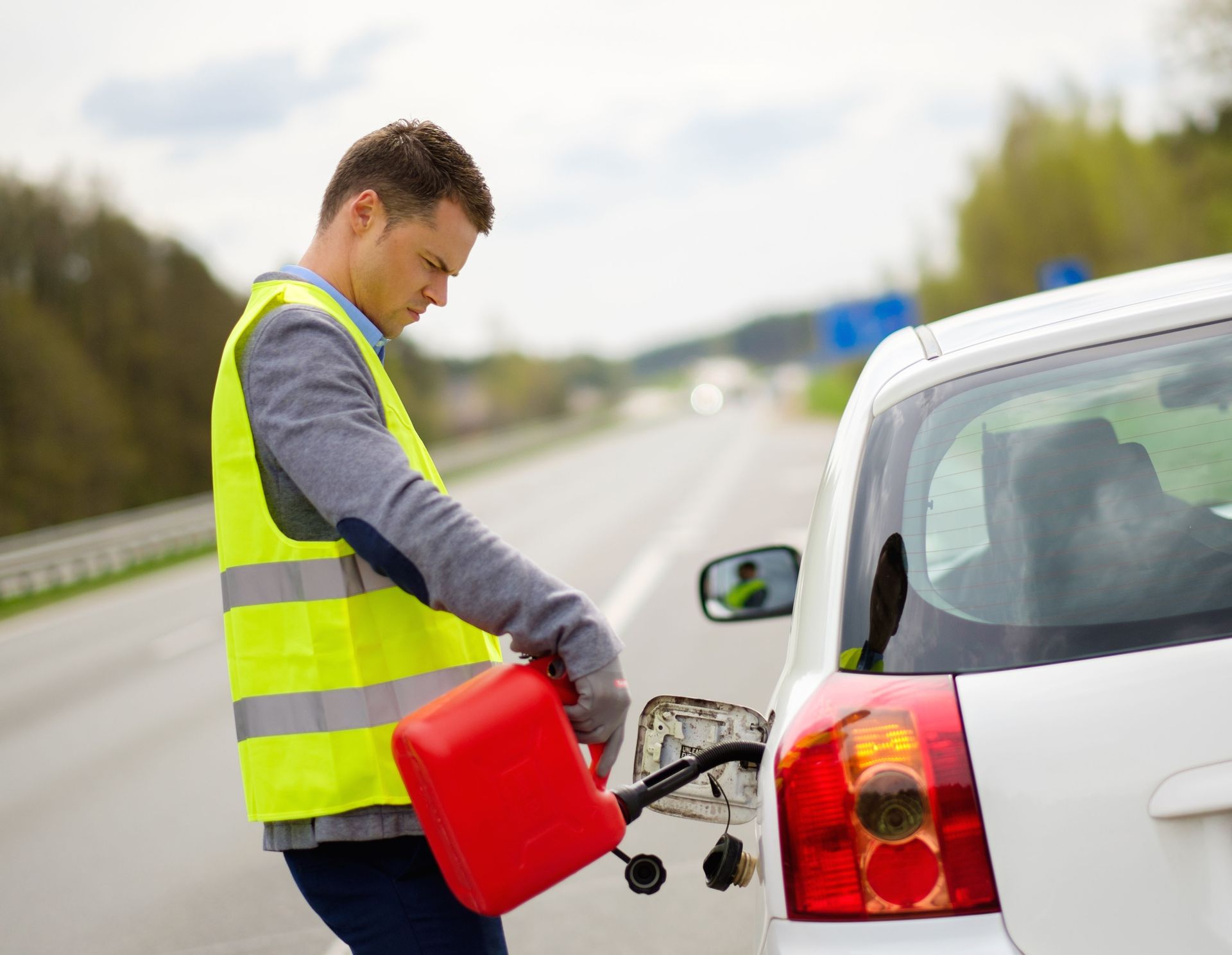
Traveling inherently involves exposure to diverse roadway conditions and mechanical challenges. Mechanical failures, such as engine trouble or electrical malfunctions, can leave travelers stranded in unfamiliar locations. These situations not only pose inconvenience but also risk, especially in isolated areas. Towing services emerge as rescuers, providing quick and reliable solutions to remove stranded vehicles. Moreover, according to Yahoo Finance, drivers in the U.S. experience flat tires at a rate of approximately 220 million per year, emphasizing the frequency of such travel emergencies.
Accidents can occur regardless of how cautious a driver might be. These unexpected incidents may variedly disrupt travel plans and require immediate intervention to ensure road safety and mobility. Towing services are equipped to handle accident scenarios by securely transporting damaged vehicles to repair facilities.
Travel emergencies can be particularly unsettling for tourists unfamiliar with local resources. Towing services have extensive networks and technical expertise to aid foreign travelers efficiently. Their knowledge of the local landscape allows for pinpointing the quickest routes to reach and assist distressed travelers.
Traveling vast distances often requires navigating through remote areas where traditional services may be scarce. In such contexts, having access to immediate assistance through towing services makes a significant difference. Quick response times are central to minimizing delays in travel caused by vehicular issues. Towing companies often provide 24/7 service, ensuring that help is accessible no matter the hour or location. This availability is vital in preventing small issues from escalating into more significant, costly problems.
Immediate assistance from towing services also contributes to maintaining traveler safety. By promptly clearing disabled vehicles from busy or hazardous roadways, these services reduce the risk of secondary accidents. Drivers can resume their journey without unnecessary exposure to traffic dangers. The peace of mind that accompanies having a dedicated support system in place allows individuals to confidently explore and enjoy their travels.
The quick response provided by towing services is the result of a well-coordinated operational framework. This structured approach ensures that vehicles are dispatched efficiently and equipped with the necessary tools to address a wide range of roadside issues. The integration of technology such as GPS and communication systems enhances the connector between distressed travelers and responsive towing teams. Ultimately, this organizational efficiency reflects the dedication of towing services to prioritize customer service and reliability.
The Types of Long Distance Towing Available
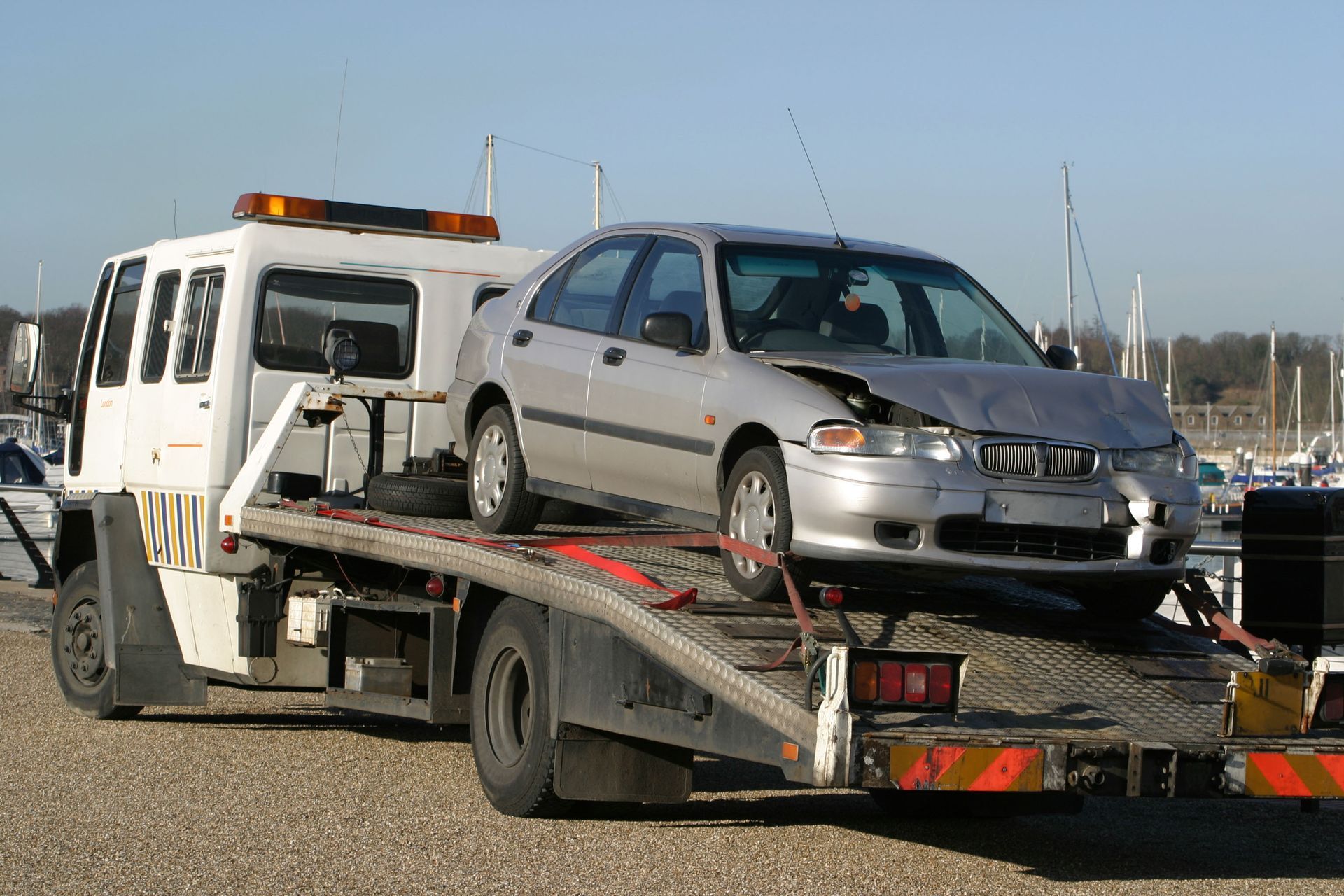
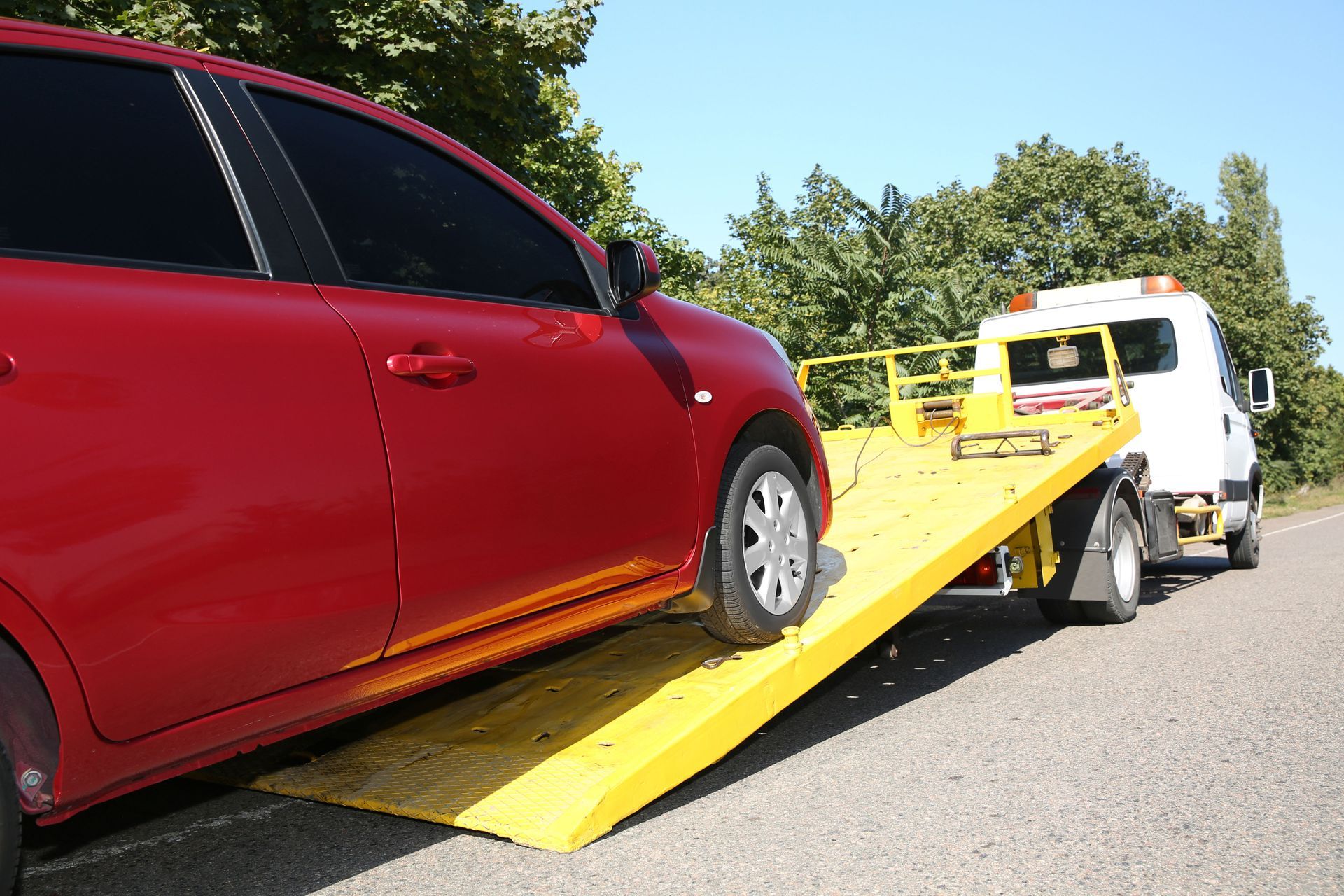
Flatbed towing stands out as one of the safest and most versatile methods for transporting vehicles. This method involves securing the entire vehicle on a flatbed trailer, ensuring that none of its wheels touch the ground during transit. This is particularly beneficial for vehicles with low ground clearance, as it prevents damage from potential road debris. Additionally, flatbed towing minimizes additional wear and tear on the towed vehicle by avoiding drivetrain contact with the road. This approach is suitable for transporting luxury cars, motorcycles, and even small boats.
The advantages of flatbed towing extend to enhanced efficiency and reliability. For long-distance travel, flatbeds ensure that vehicles reach their destination in the same condition as they were loaded. This reduces concerns over damage or malfunctions occurring en route, allowing travelers to continue without added worries. Furthermore, flatbeds can accommodate diverse vehicle types, including those with non-standard wheel configurations. The increased popularity of this method underscores its adaptability and effectiveness in various towing scenarios.
Given its importance, flatbed towing has become the default choice for many towing services. Providers routinely utilize their flatbed fleets to meet customer demands for secure and seamless transportation. The increasing sophistication of flatbed trailers also enhances their operational capacity. Modern designs integrate hydraulic systems and technological innovations contributing to more reliable loading and unloading processes.
Wheel-lift towing represents a popular choice for shorter distances or when towing lighter vehicles. This technique involves using a hydraulic boom to lift either the front or rear wheels of a vehicle, leaving the opposite end in contact with the road. The efficiency of this method makes it ideal for urban environments or situations with limited access or space. It supports smaller vehicles by allowing secure and straightforward towing without requiring extensive equipment.
Though wheel-lift towing is commonly employed for shorter distances, it maintains relevancy in long-distance scenarios under specific conditions. With state-of-the-art equipment and techniques, towing professionals ensure that vehicle safety and handling remain uncompromised. This method's versatility extends to a variety of average-sized cars, providing enhanced compatibility across vehicle types. Wheel-lift towing ensures displacement without risking damage to the frame or suspension, particularly when executed by experienced operators.
The methodology behind wheel-lift towing continues to evolve with new advancements in design and execution. Operators undergo rigorous training to familiarize themselves with the intricacies of this technique. The introduction of lightweight materials and technological improvements contributes to increased performance reliability. Through these enhancements, the effectiveness of wheel-lift towing continues to surge, offering viable solutions in diverse towing contexts.
Effectively conducting long-distance towing operations often hinges on the availability and use of specialized equipment. Modern towing services rely on an array of tools ranging from winches and straps to state-of-the-art hydraulic systems. These mechanisms ensure the dislodging of stuck vehicles, addressing larger towing assignments that demand precision. Towing providers strategically invest in upgrading their fleets to handle increasingly complex towing requirements efficiently.
The Challenges Encountered During Long Distance Towing
Adverse weather poses significant challenges during long-distance towing operations, with varying conditions impacting safety and logistics. Inclement weather such as snow, heavy rain, or high winds demands heightened vigilance and advanced preparation. Tow operators frequently adjust their strategies to cope with changing environmental factors, overcoming complexity in planning routes and securing vehicles. Comprehensive training equips them to identify weather-related risks effectively, minimizing disruptions to transport.
Successfully navigating through severe weather events rests on the utilization of appropriate equipment and suitable practices. Heavy-duty winter tires and chains enhance vehicular stability, minimizing slippage on icy roads. Operators employ specialized safety gear to navigate restrictive conditions safely and reduce travel delays. Reliable communication channels enable them to consult meteorological updates in real-time, aligning their decisions with current conditions. Their dedication to maintaining awareness of weather updates exemplifies dynamic adaptability essential to sustaining high service standards over long-distance hauls.
Weather's unpredictability often requires cohesive team effort and collaboration among towing professionals. Effective coordination streamlines operations under challenging conditions, including rerouting based on temporary closures or altered paths. Additionally, maintaining a feedback loop with clients facilitates adjustments in shipment timelines, reinforcing transparency and proactive problem-solving.
When you need
long distance towing services, whether to handle your valuables or you're in need of emergency help, call the trusted experts at Lords Valley Towing & Salvage. We've been serving the tri-state area for many years and aim to help our community be exactly where they need to be.