June 18, 2026
Driving offers freedom, but it also comes with unpredictable moments that disrupt your day. Whether commuting to work, heading out on a road trip, or driving a commercial rig, vehicle breakdowns happen when you least expect them. Experiencing a roadside emergency can be stressful, overwhelming, and even dangerous if you do not know how to handle it properly. Being prepared is half the battle. Knowing what steps to take keeps you, your passengers, and other drivers safe while waiting for professional help. According to LookupAPlate, an estimated 55,000 vehicles are towed daily in America, and this number is poised to grow considering the average age of a vehicle in America is 12.1 years. With so many aging vehicles on the road, knowing how to manage a roadside emergency is a crucial skill for every driver. Here are six essential things to do if you ever find yourself stranded.
1. Pull Over to a Safe Location Immediately
The first thing you must do when experiencing vehicle trouble is get your car out of active traffic. If you hear a loud pop, feel a sudden loss of power, or see smoke billowing from the hood, do not panic. Turn on your right turn signal and carefully maneuver to the right shoulder of the road. If you are on a multi-lane highway and cannot safely reach the right side, the left shoulder is your next best option. Aim for a flat, straight area where your vehicle is visible to oncoming traffic. Never stop on a sharp curve or over the crest of a hill. Once you have pulled over safely, engage your parking brake and turn your steering wheel away from the road. This ensures that if your car is struck from behind, it will not be pushed into traffic. Taking these immediate steps during a roadside emergency significantly reduces the risk of a secondary collision.
2. Make Your Vehicle Highly Visible
After pulling over, your next priority is to make sure other motorists can see your stopped vehicle. Instantly turn on your hazard lights. These blinking lights are the universal signal that a vehicle is stationary and experiencing a roadside emergency. If it is dark, raining heavily, or foggy, keep your headlights and taillights illuminated to increase visibility. If you have a preparedness kit with reflective triangles or road flares, set them up behind your vehicle. Place the first warning device about 50 feet behind your car, and a second one about 100 feet back. This gives fast-moving highway traffic plenty of time to slow down or change lanes. Popping your hood is another clear indicator to passing drivers and law enforcement that you are experiencing mechanical issues. However, you should only exit your vehicle to set up flares or open the hood if the traffic conditions make it completely safe.
3. Assess the Situation and Stay Inside if Necessary
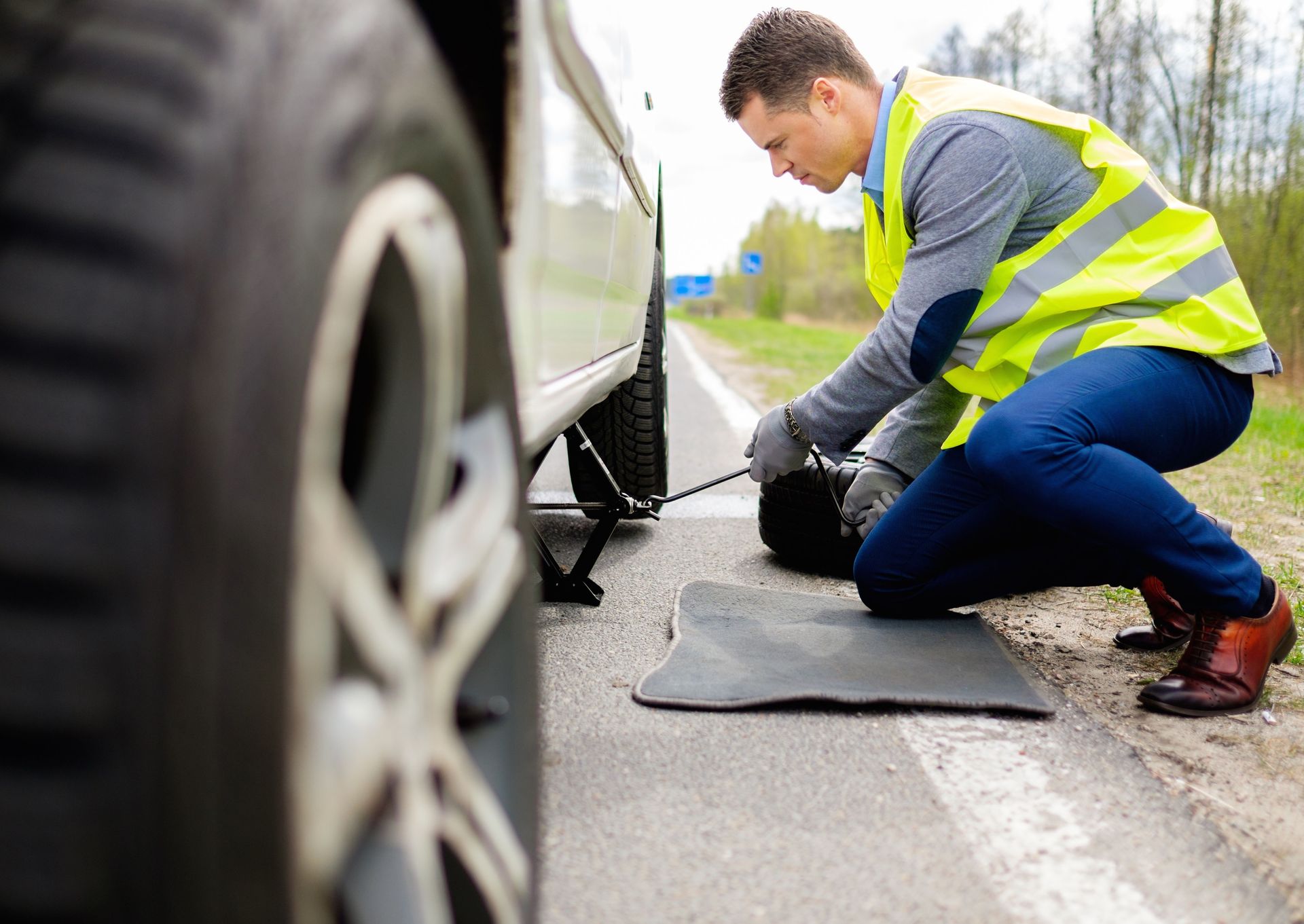
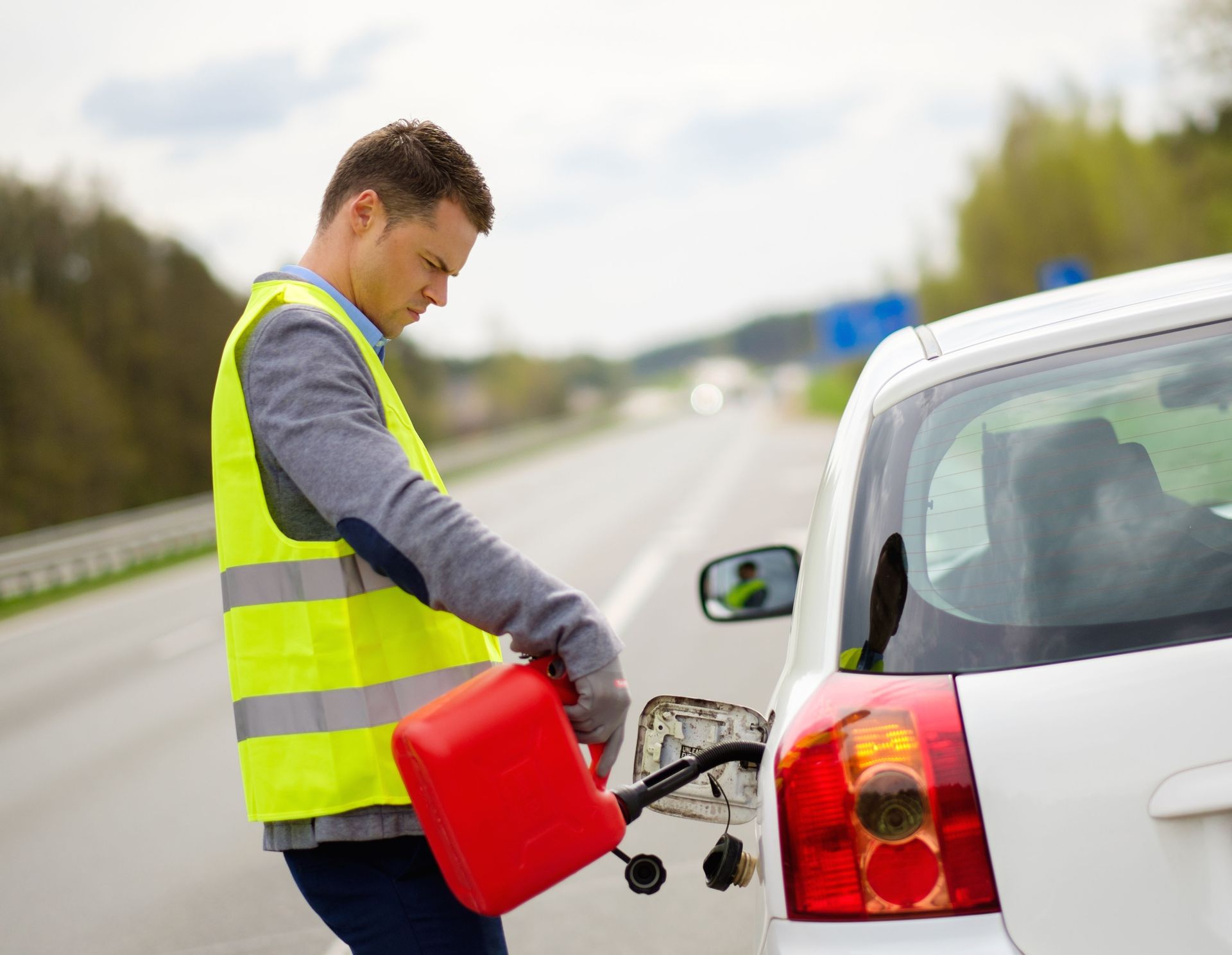
Once your vehicle is visible, take a moment to carefully evaluate your surroundings. If you are stopped on a busy interstate with narrow shoulders and high-speed traffic, the safest place for you and your passengers is inside the vehicle with your seatbelts securely fastened. Getting out of the car on a busy highway is incredibly dangerous. If you must exit the vehicle for safety reasons, always use the doors facing away from traffic. For instance, if you are pulled over on the right shoulder, exit through the passenger side to avoid stepping into the roadway. Evaluate what might be wrong with your vehicle. Do you have a flat tire? Is the engine overheating? Did you run out of fuel? Understanding the basic nature of your roadside emergency will help you communicate effectively when you call for help. Keep your doors locked, stay vigilant, and wait patiently for professional assistance.
4. Call for Professional Assistance
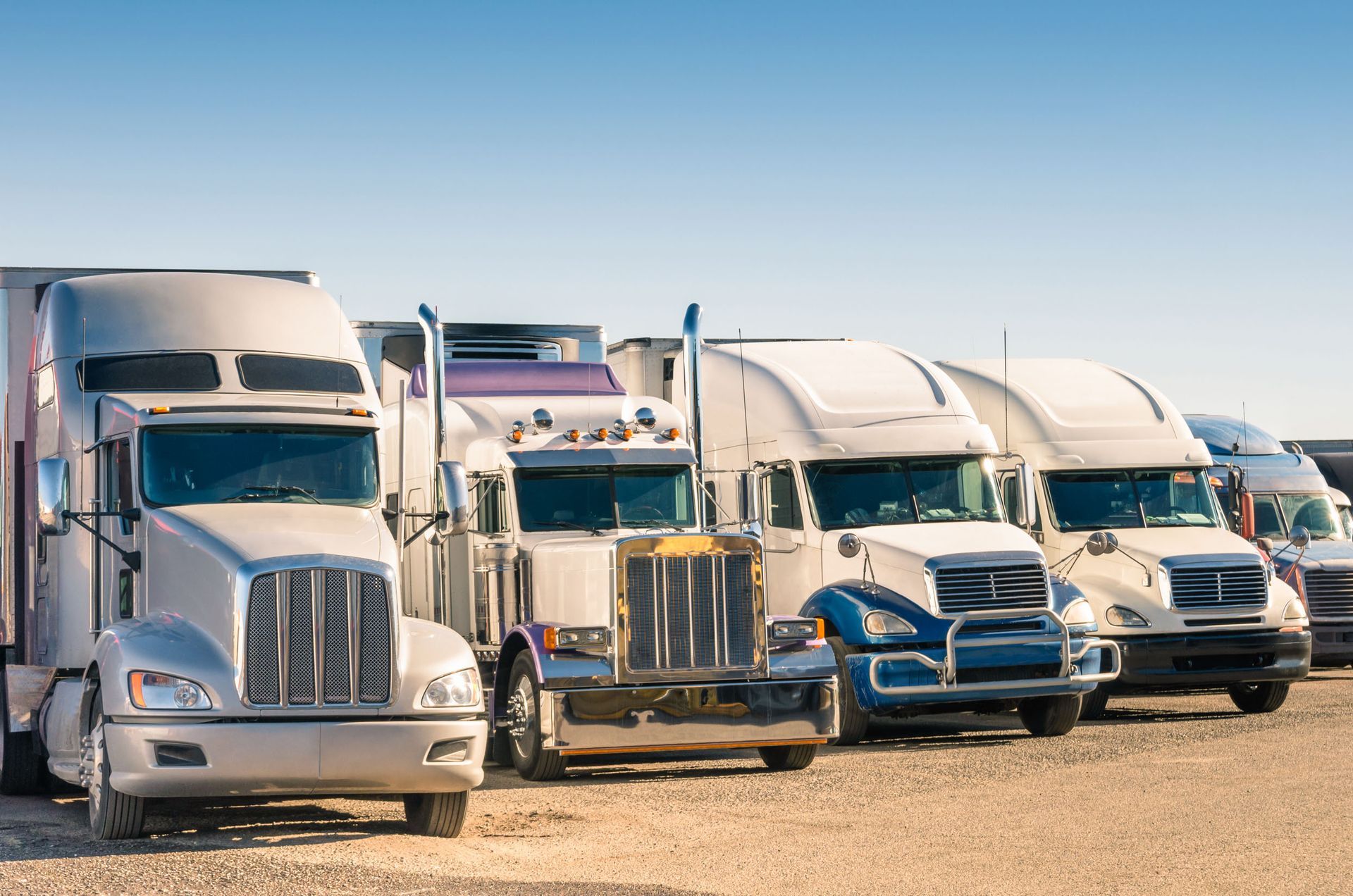
When stranded, reaching out to trained professionals is the smartest choice you can make. Unless you are dealing with a simple fix in a completely safe, off-road location, immediately call for roadside assistance or towing and recovery services. Have your exact location ready when making the call. Use highway mile markers, exit numbers, or nearby landmarks to help the dispatcher pinpoint where you are stranded. If you are driving a commercial vehicle and experience a breakdown, you will need specialized help. For example, you might require heavy-duty towing, heavy-duty truck repair, or heavy-duty truck tires to get your big rig moving again. Knowing who to call can make a massive difference in how quickly your issue is resolved. A quick response team will dispatch the right equipment, whether you need a fast tire change, emergency roadside tire services for heavy trucks, a battery jumpstart, or a full tow.
5. Communicate with Your Dispatcher Clearly
Clear communication is absolutely vital when reporting your situation to a towing dispatcher. Describe the exact nature of your problem, the make and model of your vehicle, and any specific dangers present at your location. If you are blocking a lane of traffic, let them know immediately so they can prioritize your call or contact local law enforcement to secure the scene. If you require long-distance towing to get your vehicle back to your preferred shop, mention this upfront so the company can deploy the appropriate transport truck. For commercial drivers, explaining whether you need heavy-duty truck repair or access to salvage auto and truck parts helps ensure the right technicians are sent to your location. Providing accurate details during your roadside emergency ensures the responding team brings the exact tools, vehicles, and parts needed to handle your specific breakdown safely and efficiently.
6. Remain Calm and Wait Patiently
Waiting for help can be incredibly frustrating, especially if you are in a rush or dealing with harsh weather, but maintaining your composure is essential. Anxiety and panic can lead to poor decision-making, such as attempting a dangerous DIY repair on the edge of a busy highway. Instead, focus on keeping yourself and your passengers calm and comfortable. Keep a blanket, bottled water, and non-perishable snacks in your car for these exact situations. If a stranger stops to offer help, it is generally safer to crack your window slightly, thank them politely, and inform them that professional roadside assistance is already on the way. You do not need to accept help from unverified individuals. Professional towing operators are fully trained to secure the scene, diagnose the issue, and provide safe transport for your vehicle. Patience is your absolute best tool for getting through a roadside emergency without complications.
No driver wants to experience sudden vehicle failure, but being prepared turns a potentially dangerous situation into a manageable inconvenience. By pulling over safely, making your vehicle highly visible, staying inside when necessary, and calling for professional help, you protect yourself and everyone else on the road. Knowing the difference between needing a quick jumpstart and requiring comprehensive towing and recovery services ensures you get the exact help you need without delay. Whether you are driving a standard passenger car or a massive commercial rig that requires heavy-duty towing, emergency roadside tire services for heavy trucks, or heavy-duty truck tires, having a reliable local contact is invaluable. You might even find that utilizing their inventory of salvage auto and truck parts is the most efficient way to repair your vehicle once it is off the road. When the unexpected happens, you need an experienced team ready. For fast, reliable, and professional service, contact Lords Valley Towing & Salvage.